Go directly to:
Project Elephant Grass plants the fast-growing grass species Miscanthus x Giganteus (elephant grass) on 12 hectares of degraded land in Kenya. The grass is harvested annually and processed into biomass briquettes, which serve as a sustainable substitute for wood or coal for industrial energy.
The project not only supplies energy, but also helps combat deforestation, as local companies no longer need to cut down trees. Elephant grass grows with little input (requiring little fertiliser or pesticides) and binds a lot of CO₂: it absorbs significantly more CO₂ than an average forest. The proceeds from the sale of the biomass enable investors to receive a return: an average of 8.5% per annum over five years according to initial project data. In addition, it contributes to soil restoration, circular energy supply and the development of sustainable, bio-based raw materials. Project Elephant Grass thus demonstrates that sustainable energy and CO₂ reduction can be combined with a workable revenue model. You can read more in the information brochure.
Impact & Return

Impact

Return
Project OLIFANTSGRAS Video

Attractive expected return of 8.5% per year
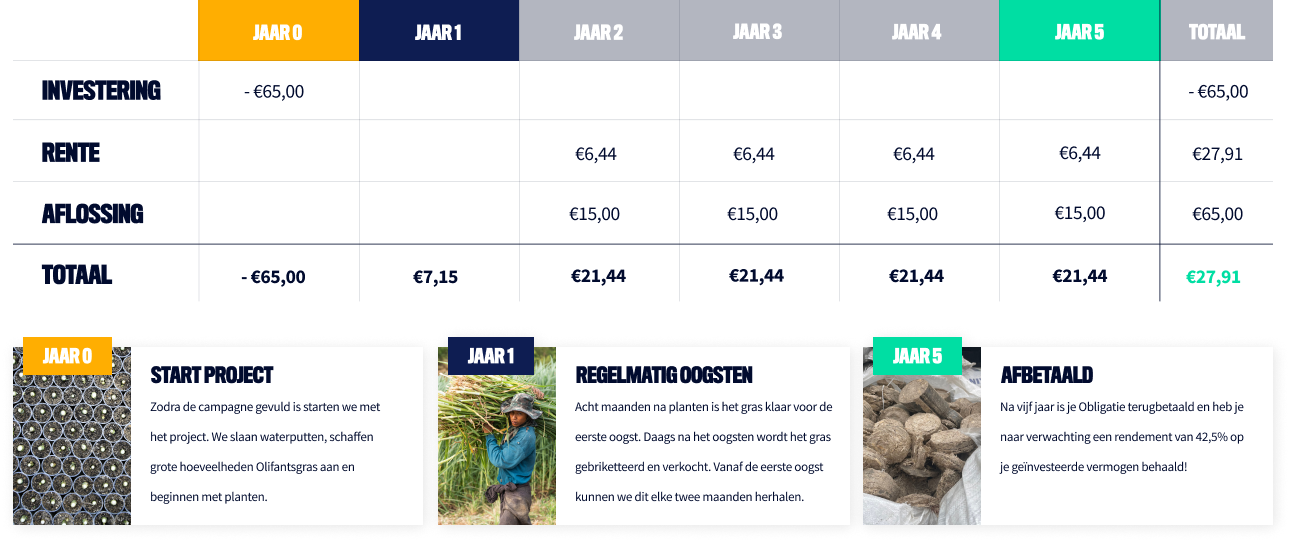
WHERE DOES YOUR MONEY GO?
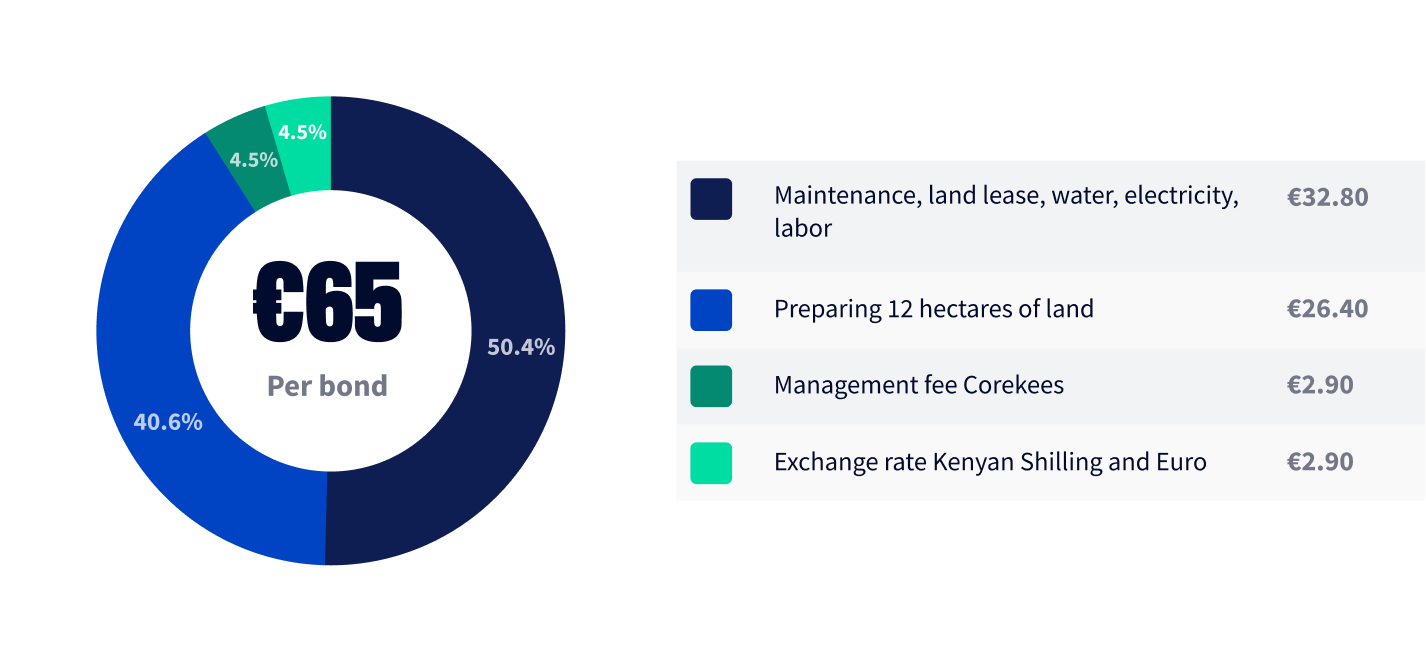
This is how PROJECT Elephant grass works


News about Project OLIFANTSGRAS

Why elephant grass is a great circular product
The many advantages of elephant grass: sustainably cultivated by our project partner in Kenya
Download the brochure
The brochure provides more information about Project Elephant Grass. After filling in your details, we will send it immediately via e-mail. Nice and easy!
Frequently asked questions
Is burning biomass sustainable?
Yes! Basically, we can say that burning biomass is many times better than burning fossil fuels. However, the answer to this question is so extensive that we have created a separate document for it. Download the CO2 Memorandum to read more about this.
Who use the elephant grass briquettes?
A briquette weighs approximately 1 kilogram and is about the same size as a bottle of cola. The briquettes are used in Kenya by industrial companies to power machinery. Examples of users include a manufacturer of instant noodles and a factory where milk is pasteurised. The information brochure contains a page with information about the customers.
Who is your local partner?
Wecol Limited is a Dutch-Kenyan company run by an experienced and impressive team with a very sustainable mission. In the Project Elephant Grass information brochure, we tell you more about the establishment of this company and the background of the team.