Project Pongamia

Carmelo Peralta, Paraguay

Project Pongamia revolves around reforesting deforested, marginal land in Paraguay with the Pongamia tree, a tree that not only captures CO₂, but also produces nuts that are used for biofuel and animal feed.

This allows us to combine climate compensation with a profitable, sustainable production model. Every tree planted contributes to CO₂ reduction and yields an annual harvest. Thanks to a fixed purchase contract, the harvested nuts are guaranteed to be sold, ensuring predictable returns. By making smart use of the residual products – oil for biofuel, pulp as nutritious animal feed – we create a circular system. Project Pongamia proves that reforestation and sustainable energy production can go hand in hand. Read more in the information brochure.

Impact & Return

Impact

  • One Pongamia tree compensates  44 kg CO2/year 
  • The nuts of the Pongamia tree are processed into renewable biofuel.
  • Reforestation of the world’s second-largest nature reserve.

Return

  • Annual expected return of 7.8% on your investment.
  • Certainty & transparency regarding your investment.
  • At the end of the term, both the principal and the interest are repaid.

Project PONGAMIA VIDEO

Attractive expected return of 7.8% per annum

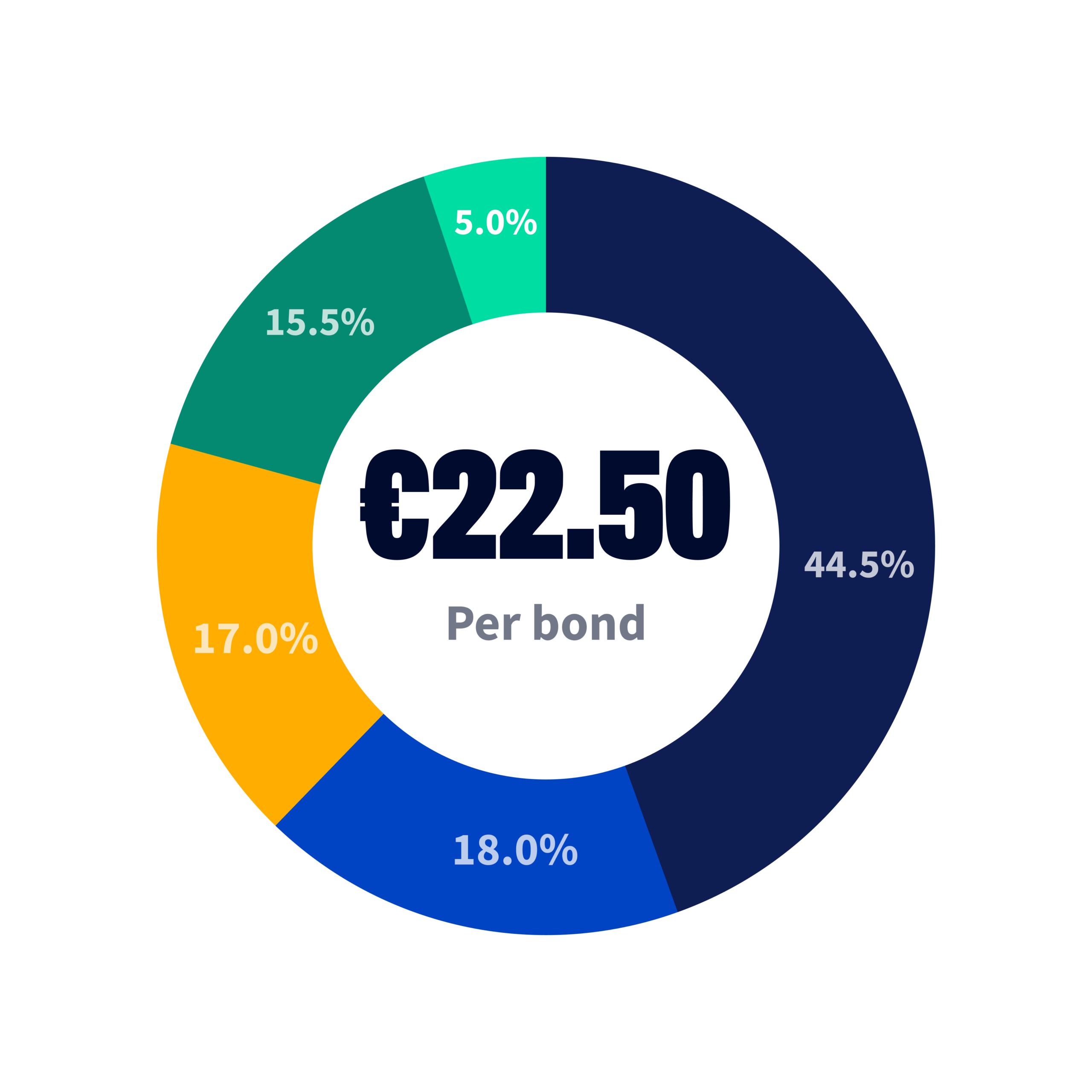
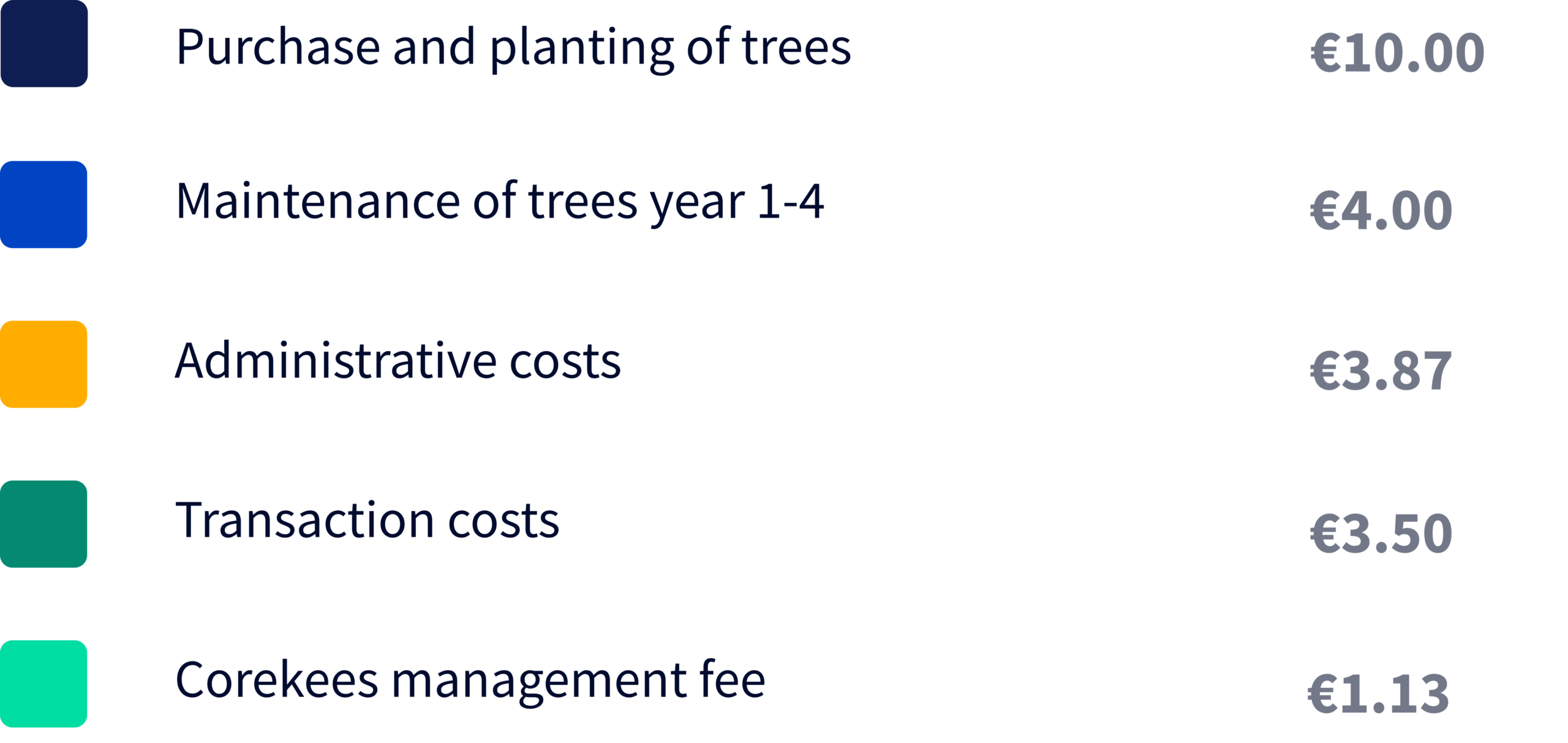
WHERE DOES YOUR MONEY GO?

This is how the Pongamia project works
step 1

from deforested land to new trees

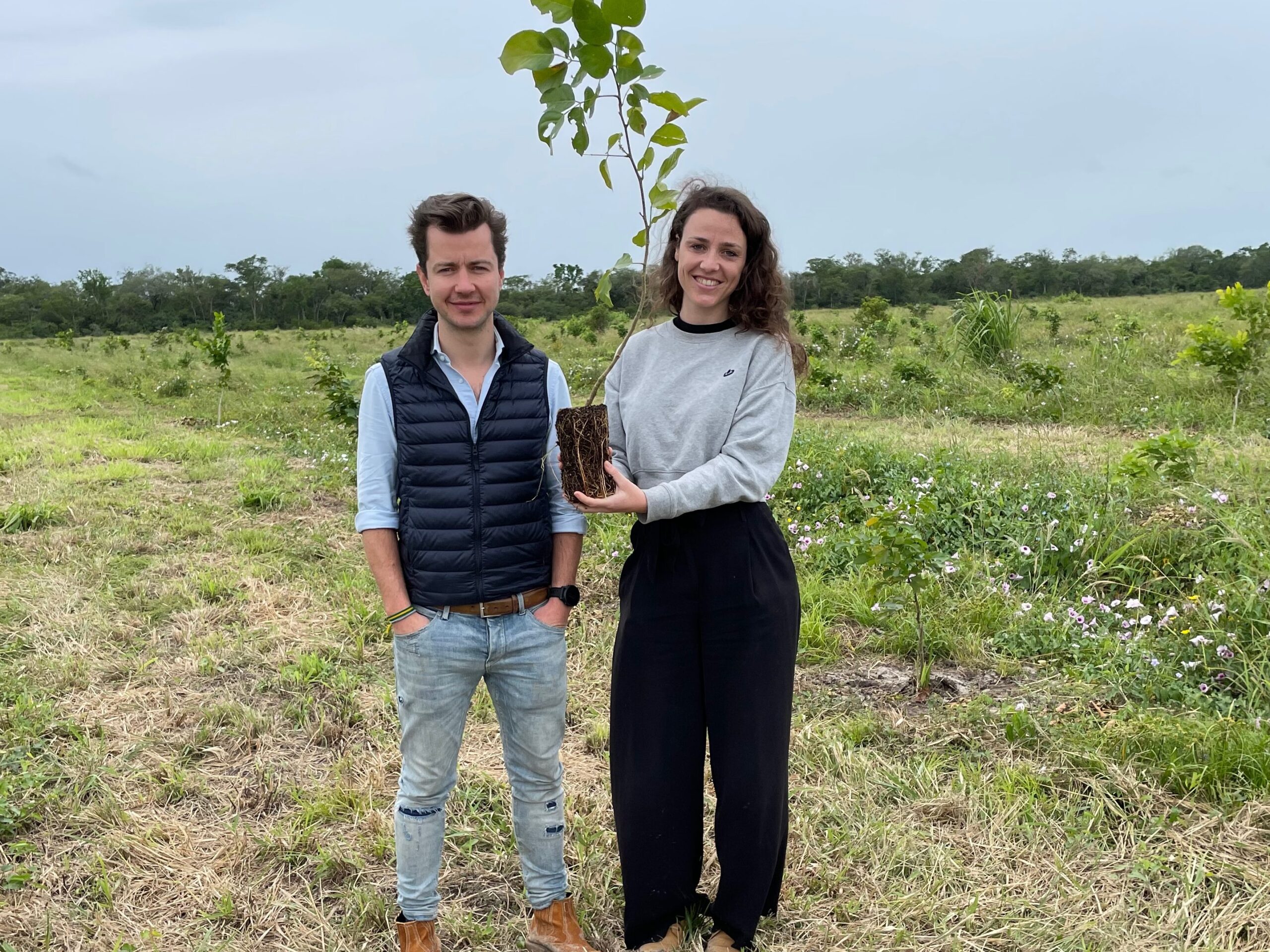
In Paraguay, we plant Pongamia trees on land that was deforested years ago. The trees grow without artificial fertilisers or irrigation and store CO₂ every year. At the same time, biodiversity is restored in an area that has been severely affected by deforestation.

Nick and Tamar from Corekees on a site visit in Paraguay

Step 2

From nuts to value

Mature Pongamia trees produce nuts annually. These nuts are harvested and sold through a purchase contract, ensuring a stable and predictable yield. The oil from the nuts is used for biofuel and the residue for protein-rich animal feed.

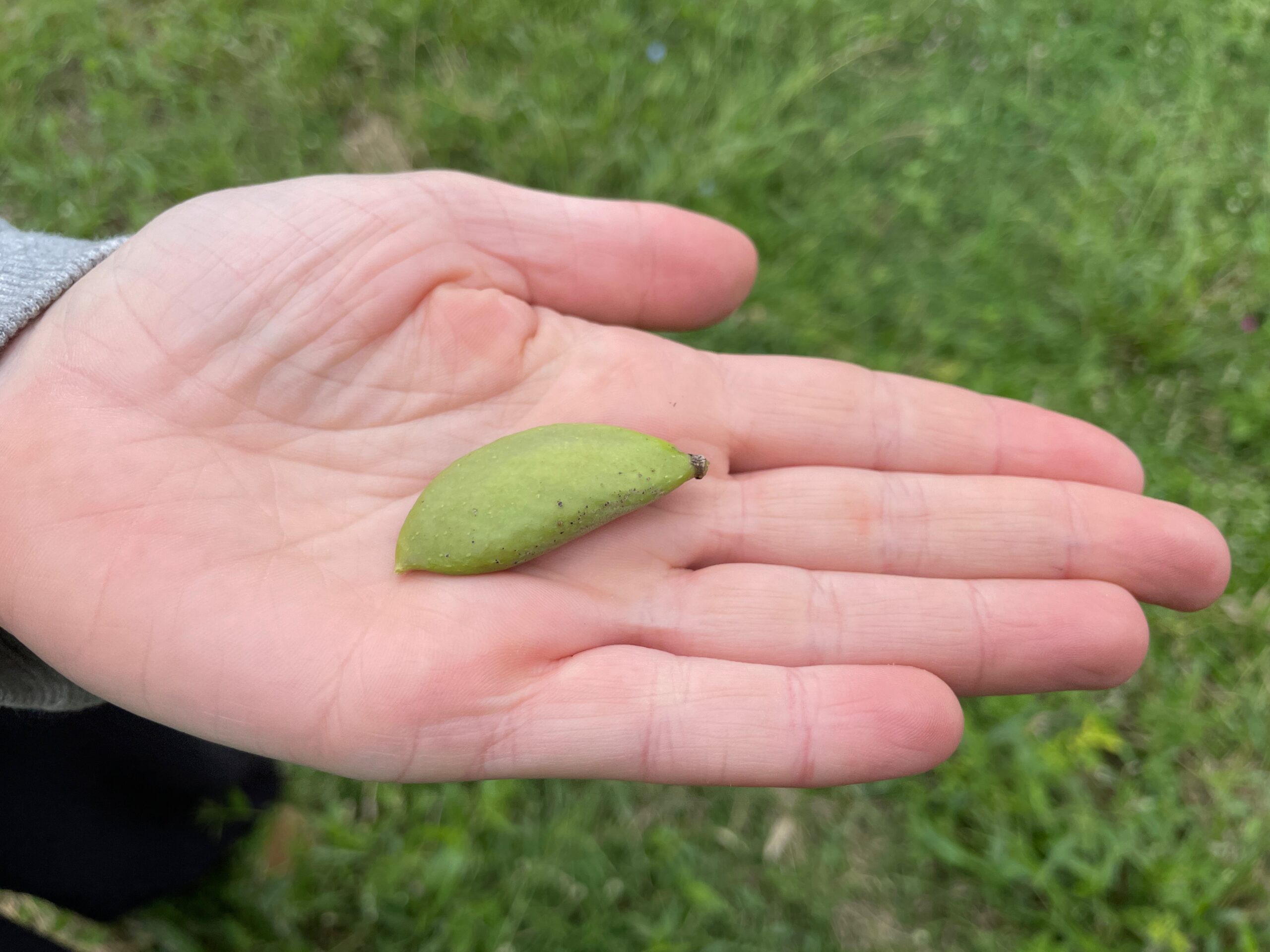
Young Pongamia nut

step 3

From yield to return

The income from the sale of the nuts goes back into the project. These proceeds are used to repay your loan and you receive an annual return. This allows you to earn money from a reforestation project that captures CO₂ and creates local employment.

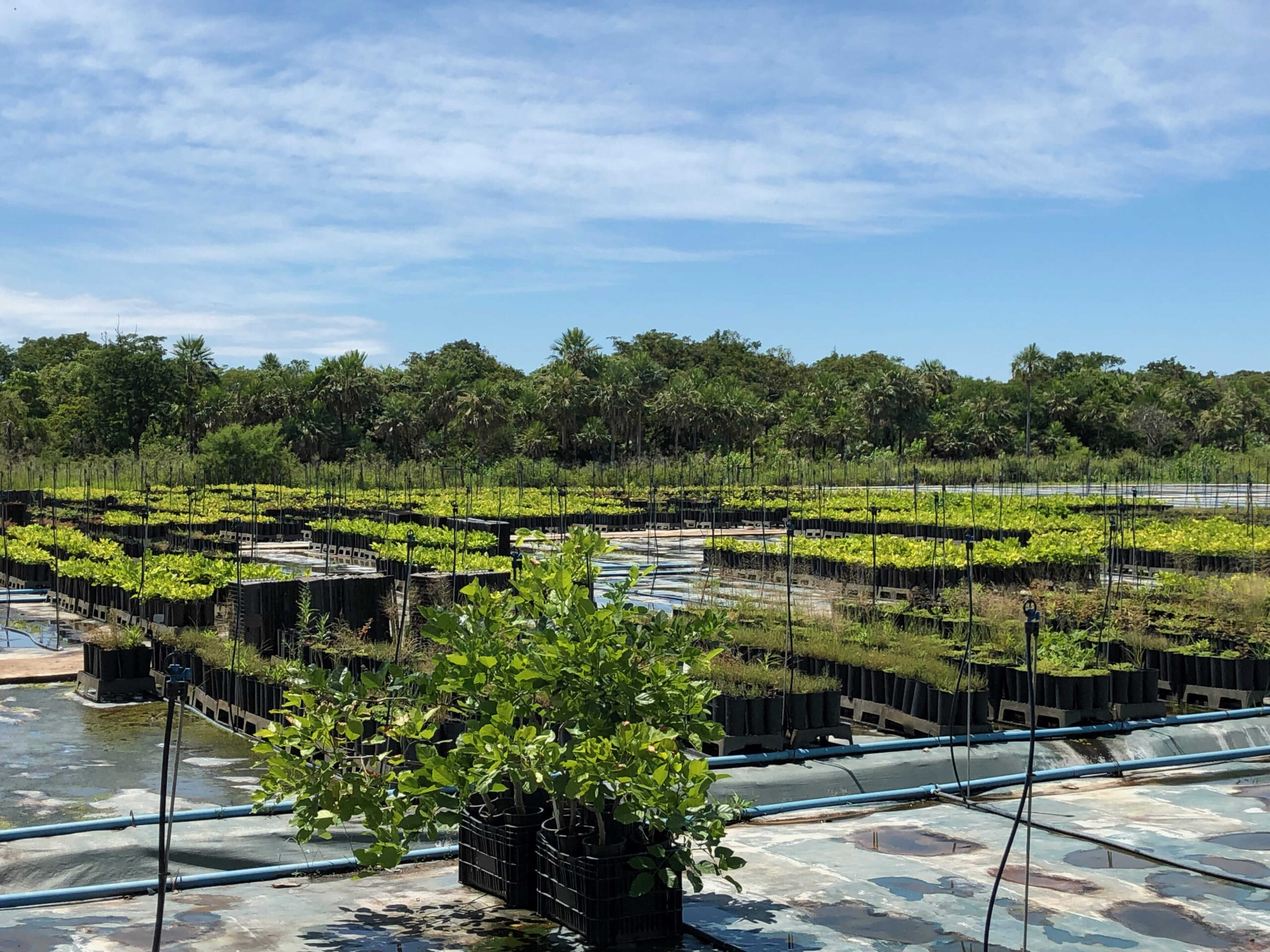
Maternity ward with the growing Pongamia trees


News about Project PONGAMIA

Sustainability

Why Pongamia is better than palm oil

Project Pongamia

About how pongamia is a more sustainable alternative to palm oil thanks to lower emissions and cultivation on marginal land.

View item

Download the brochure

The brochure provides more information about Project Pongamia. After filling in your details, we will send it immediately via e-mail. Nice and easy!

Frequently asked questions

Do I get the revenue of my own tree?

Every quarter, we place an order with our reforestation partner specifying how many trees we want them to plant. Every tree you invest in is part of a batch. Batches consist of a few thousand trees. All trees in the batch are harvested and pressed at the same time. Of course, we cannot keep track of whether your tree has produced more or fewer nuts than your neighbour’s tree. That is why we pay each bondholder proportionally to the number of trees you hold within a batch. The advantage of this is that production and payouts are averaged across those few thousand trees. 

Who is Corekees' reforestation partner?

We collaborate with Investancia for the production, planting, and maintenance of the trees. Investancia is the largest Pongamia tree company in the world. Investancia’s head office is located in Rotterdam. The tree farm and research centre (the ‘Estancia’) are located in Carmelo Peralta, Paraguay, next to the river that separates Paraguay and Brazil. More information can be found at investancia.com.

What type of oil and fuel do Pongamia trees produce?

The crude oil from the Pongamia nuts is a vegetable oil like any other (olive, peanut, soybean, etc.). While some types are suitable for consumption, others are suitable for other applications. The oil from the nuts of the Pongamia tree is very suitable for the production of green, renewable fuel. The refining process used to convert crude Pongamia oil into fuel is called Hydrotreated Vegetable Oil (HVO). To make it nice and technical: HVO uses high temperatures and high pressure to break down the larger molecules in vegetable oils into shorter hydrocarbon chains that are used in diesel engines. Renewable diesel is a ‘drop-in’ fuel that can make existing diesel engines carbon-free without changing the existing infrastructure.

€1.539.148
1563 Investors
Risk Score Risk Score
Start investing
  • icon–bankcard Created with Sketch. €22.50 per bond
  • icon–transfer Created with Sketch. ROI: 7,8% / year
  • icon–hourglass Created with Sketch. Term: 20 years
Download information brochure
Status: Op schema

2000+ Corekees investors went before you

Olle de Geest
Rating: 5/5

It's great to invest in a tangible way, make an impact and learn a lot about the projects through regular updates!

Marlena Fishall
Rating: 5/5

Corekees is accessible, which is great. You don't need to be a financial expert or invest a large amount of money to participate. I used to find investing very intimidating and complicated, but with Corekees, it's simple and accessible.

Pieter Brouwer
Rating: 5/5

A very good way to invest easily and sustainably. You can see exactly where the money is going and where the returns are coming from. Highly recommended!

Other projects

Our projects are all different but always have one thing in common: they give sustainability economic value.

View all projects
Available

Project Spices

Granada, Nicaragua
Risk Score Risicoscore
€408.450
  • icon–bankcard Created with Sketch. €100 per bond
  • icon–transfer Created with Sketch. ROI: 7% / year
  • icon–hourglass Created with Sketch. Term: 1 year
View projects
Available

Project Amazon

Nova Carolina, Brazilië
Risk Score Risicoscore
€507.150
  • icon–bankcard Created with Sketch. €99 per bond
  • icon–transfer Created with Sketch. ROI: 7,3% / year
  • icon–hourglass Created with Sketch. Term: 17 years
View projects
Available

Project Pongamia

Carmelo Peralta, Paraguay
Risk Score Risicoscore
€1.539.148
  • icon–bankcard Created with Sketch. €22.50 per bond
  • icon–transfer Created with Sketch. ROI: 7,8% / year
  • icon–hourglass Created with Sketch. Term: 20 years
View projects
Available

Project Bamboo

Santa Marta, Alcoutim, Portugal
Risk Score Risicoscore
€440.872
  • icon–bankcard Created with Sketch. €168 per bond
  • icon–transfer Created with Sketch. ROI: 6,7% / year
  • icon–hourglass Created with Sketch. Term: 15 years
View projects
Closed

Project Jackfruit

Kampala, Oeganda
Risk Score Risicoscore
€240.722
  • icon–bankcard Created with Sketch. €74 per bond
  • icon–transfer Created with Sketch. ROI: 7,4% / year
  • icon–hourglass Created with Sketch. Term: 3 years
View projects
Closed

Project Beehive

Kutus, Kenia
Risk Score Risicoscore
€52.736
  • icon–bankcard Created with Sketch. €103 per bond
  • icon–transfer Created with Sketch. ROI: 103 / year
  • icon–hourglass Created with Sketch. Term: 7 years
View projects
Closed

Project Peatland

Gnarrenburg, Duitsland
Risk Score Risicoscore
€213.749
  • icon–bankcard Created with Sketch. €53 per bond
  • icon–transfer Created with Sketch. ROI: 7,1% / year
  • icon–hourglass Created with Sketch. Term: 5 years
View projects
Closed
Risk Score Risicoscore
€153.985
  • icon–bankcard Created with Sketch. €65 per bond
  • icon–transfer Created with Sketch. ROI: 8,5% / year
  • icon–hourglass Created with Sketch. Term: 5 years
View projects
Closed

Project Coco

Simeulue, Indonesia
Risk Score Risicoscore
€190.300
  • icon–bankcard Created with Sketch. €50 per bond
  • icon–transfer Created with Sketch. ROI: 8,5% / year
  • icon–hourglass Created with Sketch. Term: 10 years
View projects