Project Peatland

Gnarrenburg, Duitsland

Project Veenland focuses on restoring degraded peatlands in Germany, with the aim of increasing CO₂ storage and restoring the water system.

By raising the groundwater level and applying nature-friendly water management, the decomposition of peat is halted, and with it the CO₂ emissions that would otherwise be released during oxidation. An important part of this is the restoration of Sphagnum moss, the peat-forming moss species that retains water, enables new peat formation and stores carbon naturally. This creates a resilient landscape with space for marshes, reeds, herbs and native flora and fauna. The restoration of peatlands improves biodiversity, water regulation and climate resilience. Through Project Veenland, every investment contributes to lasting ecological impact. You can read more in the information brochure.

Impact & Return

Impact

  • Restoration of peat stops CO2 emissions and turns the area back into a natural carbon reservoir.
  • Wet nature brings back birds, insects, and plants and increases biodiversity.
  • A higher water level reduces land subsidence and makes the area more climate-resilient.

Return

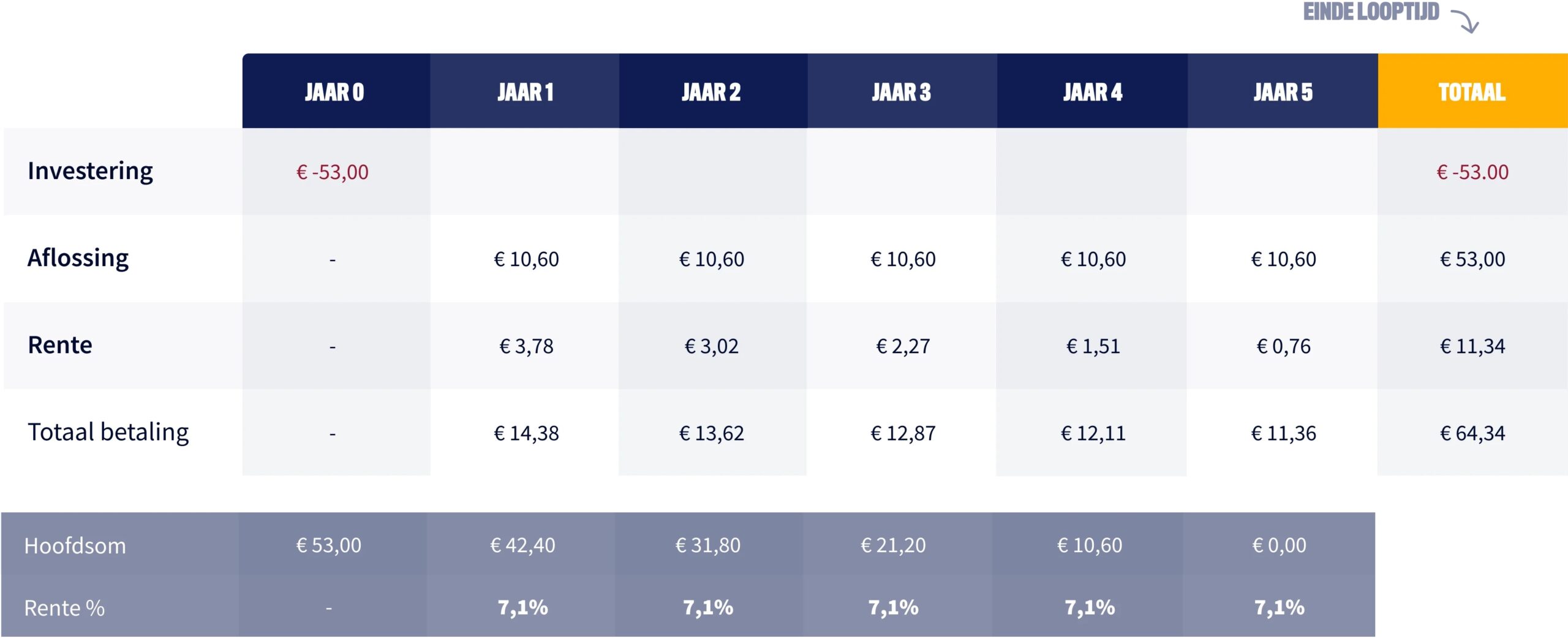
  • Annual expected return of 7.1% on your investment.
  • Security & transparency regarding your investment.
  • At the end of the term, both the principal and the interest will be repaid.

Attractive expected return of 7.1% per year
.

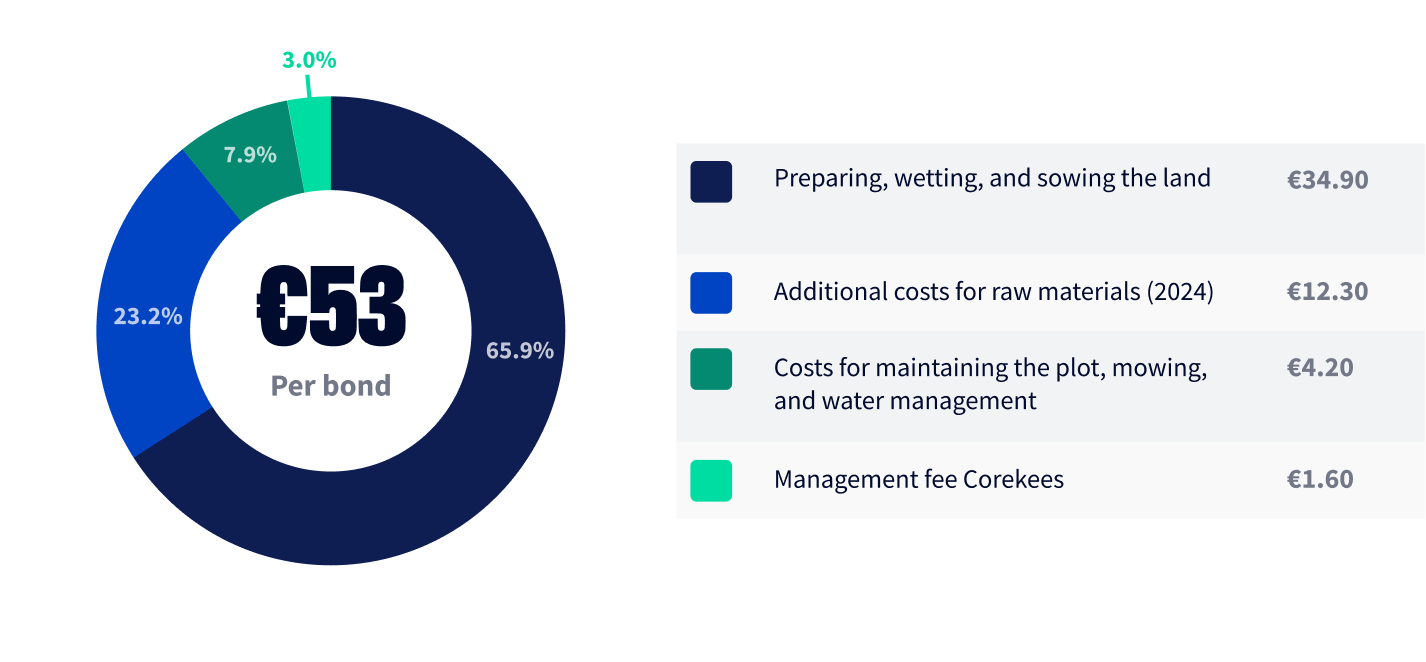
Where does your money go?
HOW THE PROJECT peatland WORKS

step 1

From dry peat bog to restored marshland

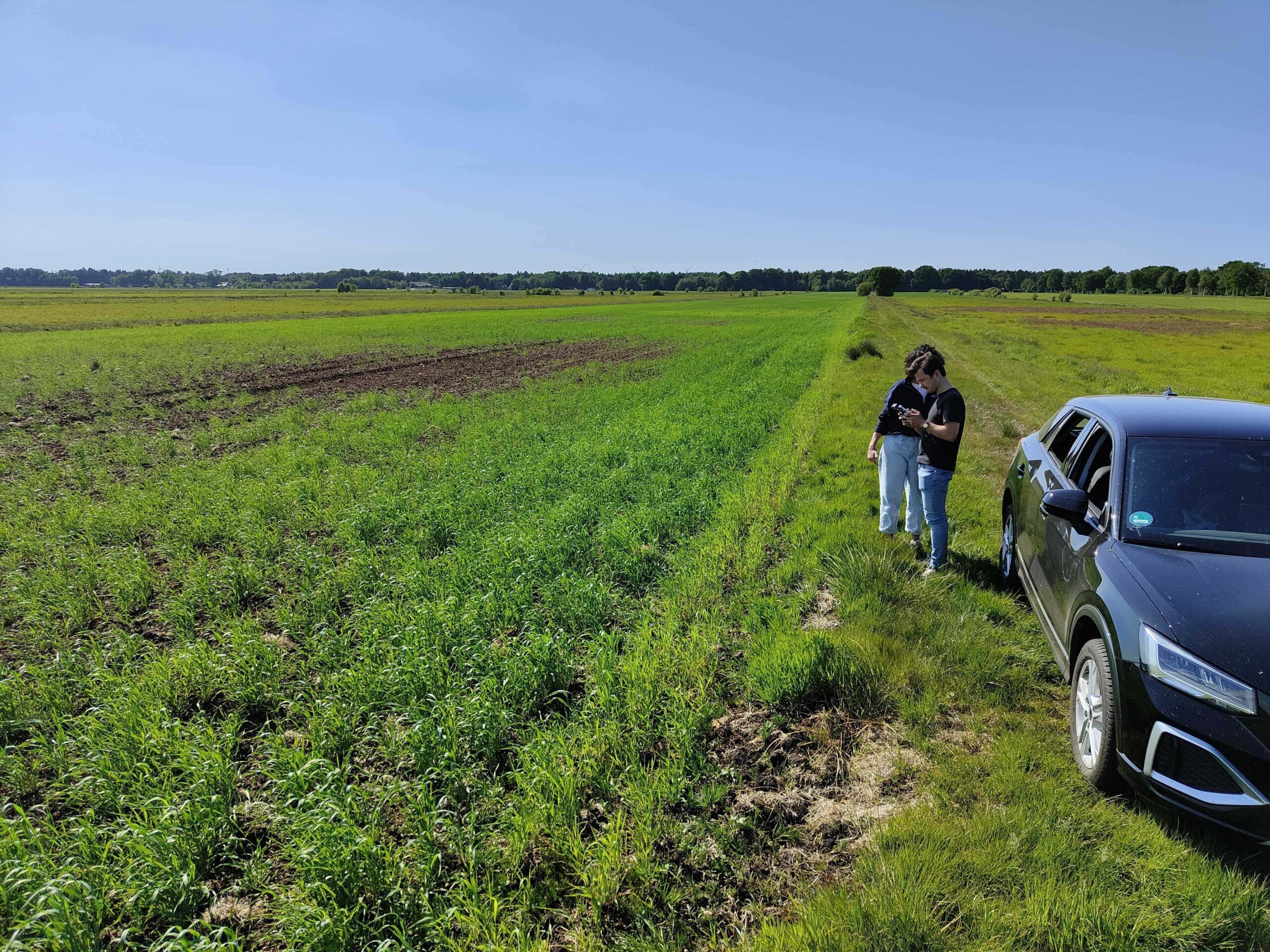
Drained peatlands are being rewetted: the water level is rising, the soil is being given a rest and CO₂ emissions are stopping almost immediately. Our partner ZukunftMoor is taking care of permits, water management and preparing the land. This is creating a peatland that can finally recover.

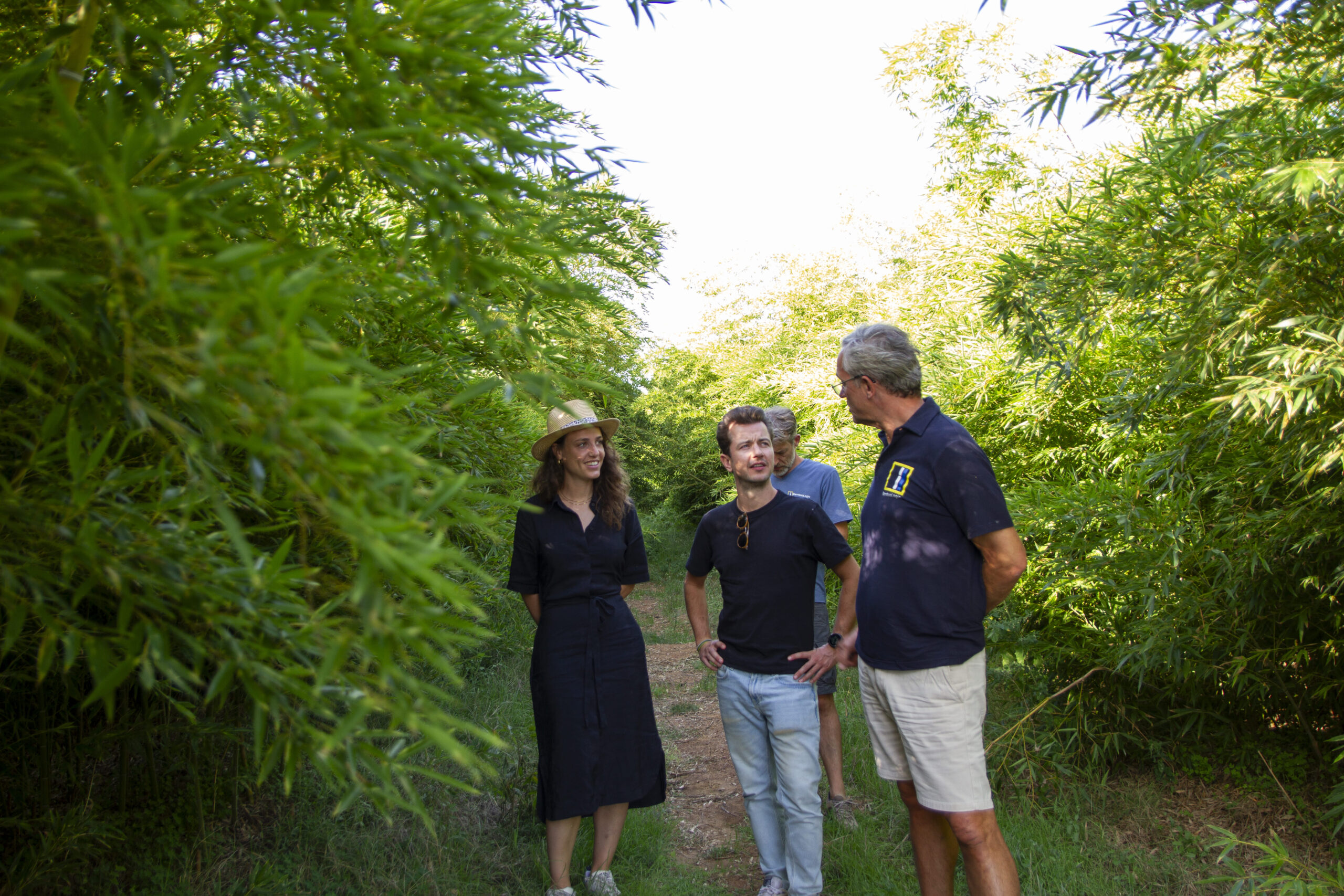
Nick on a site visit in Germany

step 2

From wet soil to Sphagnum Moss

Sphagnum moss is sown on the restored peat: a fast-growing moss species that can make the potting soil industry more sustainable. The moss grows without artificial fertilisers and captures CO₂ as it spreads. The harvest provides a new, sustainable revenue model for farmers who would otherwise be caught between regulations and loss-making agriculture.

Sphagnum Moss

Step 3

From moss yield to return

The proceeds from Sphagnum Moss — sold as a sustainable alternative to peat — form the cash flow of the project. Your bonds are redeemed annually from this cash flow and you receive interest (expected to be 7.1% per annum). Meanwhile, 15 m² of peatland per bond is restored, benefiting both the climate and biodiversity.

Restored peatland


News about Project VEENLAND

Sustainability

Project Peatland Webinar

Project Peatland

We organised a webinar dedicated to Project Peatland.

View item

Download the brochure (NL)

The brochure provides more information about Project Peatland. After filling in your details, we will send it immediately via e-mail. Nice and easy!

Frequently asked questions

How do I know that my money is going to the right place?

For Project Veeland, we are collaborating with ZukunftMoor. This German company was founded in 2022 with a clear mission: to reduce CO2 emissions from drained peatlands by offering farmers/landowners a new source of income in the form of Sphagnum Moss cultivation. 

The business case for ZukunftMoor consists of two revenue streams: growing, harvesting and selling Sphagnum Moss, and generating CO2 certificates, the renowned MoorFutures, by reducing CO2 emissions on the Sphagnum Moss farms. 

They have partnered with scientific institutions to enable the desired scale-up of Sphagnum Moss cultivation: the Greifswald Moor Centre and the Succow Foundation.

Who buys the Sphagnum moss?

As the sphagnum moss market is still emerging, our local project partner is in intensive discussions with major players in the potting soil industry. They have agreed a Letter of Intent (LOI) with the current market leader, Klasmann-Deilmann. This confirms certain sales prices and expresses the intention to purchase the moss when it becomes available. 

In addition, the selling prices have been confirmed by six of Germany’s largest potting soil companies.

In which way is this project sustainable?

By keeping peatlands wet, we prevent the decomposition of peat and thus the emission of carbon dioxide (CO₂).

In addition, wet peatlands are an attractive environment for vegetation and fauna. Forty per cent of all animal species worldwide depend on wetlands. 

€213.749
325 Investors
Risk Score Risk Score
Sold out
  • icon–bankcard Created with Sketch. €53 per bond
  • icon–transfer Created with Sketch. ROI: 7,1% / year
  • icon–hourglass Created with Sketch. Term: 5 years
Download information brochure
Status: Op schema

2000+ Corekees investors went before you

Olle de Geest
Rating: 5/5

It's great to invest in a tangible way, make an impact and learn a lot about the projects through regular updates!

Marlena Fishall
Rating: 5/5

Corekees is accessible, which is great. You don't need to be a financial expert or invest a large amount of money to participate. I used to find investing very intimidating and complicated, but with Corekees, it's simple and accessible.

Pieter Brouwer
Rating: 5/5

A very good way to invest easily and sustainably. You can see exactly where the money is going and where the returns are coming from. Highly recommended!

Other projects

Our projects are all different but always have one thing in common: they give sustainability economic value.

View all projects
Available

Project Spices

Granada, Nicaragua
Risk Score Risicoscore
€408.450
  • icon–bankcard Created with Sketch. €100 per bond
  • icon–transfer Created with Sketch. ROI: 7% / year
  • icon–hourglass Created with Sketch. Term: 1 year
View projects
Available

Project Amazon

Nova Carolina, Brazilië
Risk Score Risicoscore
€507.150
  • icon–bankcard Created with Sketch. €99 per bond
  • icon–transfer Created with Sketch. ROI: 7,3% / year
  • icon–hourglass Created with Sketch. Term: 17 years
View projects
Available

Project Pongamia

Carmelo Peralta, Paraguay
Risk Score Risicoscore
€1.539.148
  • icon–bankcard Created with Sketch. €22.50 per bond
  • icon–transfer Created with Sketch. ROI: 7,8% / year
  • icon–hourglass Created with Sketch. Term: 20 years
View projects
Available

Project Bamboo

Santa Marta, Alcoutim, Portugal
Risk Score Risicoscore
€440.872
  • icon–bankcard Created with Sketch. €168 per bond
  • icon–transfer Created with Sketch. ROI: 6,7% / year
  • icon–hourglass Created with Sketch. Term: 15 years
View projects
Closed

Project Jackfruit

Kampala, Oeganda
Risk Score Risicoscore
€240.722
  • icon–bankcard Created with Sketch. €74 per bond
  • icon–transfer Created with Sketch. ROI: 7,4% / year
  • icon–hourglass Created with Sketch. Term: 3 years
View projects
Closed

Project Beehive

Kutus, Kenia
Risk Score Risicoscore
€52.736
  • icon–bankcard Created with Sketch. €103 per bond
  • icon–transfer Created with Sketch. ROI: 103 / year
  • icon–hourglass Created with Sketch. Term: 7 years
View projects
Closed

Project Peatland

Gnarrenburg, Duitsland
Risk Score Risicoscore
€213.749
  • icon–bankcard Created with Sketch. €53 per bond
  • icon–transfer Created with Sketch. ROI: 7,1% / year
  • icon–hourglass Created with Sketch. Term: 5 years
View projects
Closed
Risk Score Risicoscore
€153.985
  • icon–bankcard Created with Sketch. €65 per bond
  • icon–transfer Created with Sketch. ROI: 8,5% / year
  • icon–hourglass Created with Sketch. Term: 5 years
View projects
Closed

Project Coco

Simeulue, Indonesia
Risk Score Risicoscore
€190.300
  • icon–bankcard Created with Sketch. €50 per bond
  • icon–transfer Created with Sketch. ROI: 8,5% / year
  • icon–hourglass Created with Sketch. Term: 10 years
View projects